It’s Tax Day—Is Your Website Helping or Hurting Your Practice?
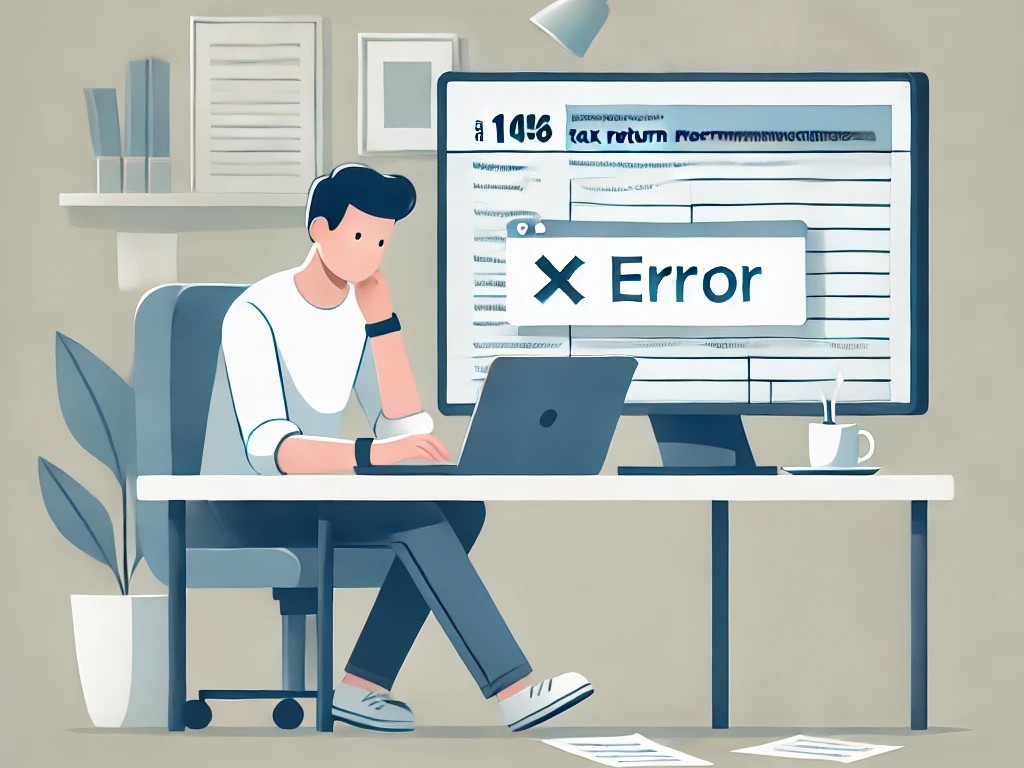
Every year around tax season, many individuals and small business owners start searching for a reliable tax professional—sometimes for the first time, sometimes to replace one that didn’t meet their needs. And surprisingly often, the biggest hurdle isn’t availability or pricing—it’s unclear, unhelpful websites.
Many tax websites look polished but fail to answer basic questions. Here’s what potential clients actually want to see when they land on your page—and how to make sure your site delivers.
Table of Contents
ToggleClearly Define What You Do—and Who You Help
Tax services cover a wide spectrum, and visitors need quick clarity. Are you focused on individuals, freelancers, startups, or corporations? Do you specialise in industries like real estate, healthcare, or e-commerce?
Your qualifications matter too. Whether you’re a CPA, enrolled agent, or tax preparer, explain what that means in simple terms. Most clients don’t know the difference—but they care about what you can do for them.
Also, list all your services clearly:
- Tax filing
- Bookkeeping
- Payroll
- IRS representation
- Tax planning
- Amended returns
People are often searching for very specific help—make sure they can find it instantly.
Be Transparent About Pricing
Pricing is the most common question—and the one most websites avoid.
You don’t need exact quotes, but even a general structure helps:
- Do you charge per form, hourly, or based on complexity?
- Is there a starting price for individual or business returns?
When people have no idea what to expect, they’re less likely to reach out at all. A little transparency builds trust and sets you apart.
Highlight Your Credentials and Experience
Clients are trusting you with sensitive financial data, so credibility matters.
Make it easy to find:
- Certifications and licenses
- Years of experience
- Areas of expertise
Explain your qualifications in plain language. A simple sentence clarifying what a CPA or enrolled agent does can go a long way.
Adding a real photo and a short bio also helps. People prefer working with someone they feel they “know,” even before the first conversation.
Explain Availability and Next Steps
Tax services are seasonal, and your website should reflect that.
Let visitors know:
- If you’re accepting new clients
- Your availability during peak season
- Whether you work year-round
Also, outline your onboarding process:
- Do you offer a free consultation?
- Is there a form to fill out first?
- Do you work remotely, in person, or both?
A clear path from “visitor” to “client” removes hesitation.
Make Contact Details Easy to Find
If someone needs help—especially urgently—they shouldn’t have to search for your contact info.
- Place your phone number at the top of every page
- Ensure it’s clickable on mobile
- Keep contact forms short and simple
A long, complicated form can discourage inquiries. Keep it minimal and user-friendly.
Prioritise Mobile Experience
Many people search for tax help on their phones—often in stressful situations.
If your site is slow, hard to navigate, or requires zooming, you’ll lose those visitors instantly. A smooth mobile experience isn’t optional anymore—it’s expected.
Optimise Your Google Business Profile
Your website isn’t the only thing clients see. Your Google Business Profile often creates the first impression.
Make sure:
- Your contact details and hours are accurate
- Information matches your website
- Services are clearly listed
- Photos of your office are included
Reviews matter too. Responding to them shows professionalism and builds credibility. Encouraging happy clients to leave feedback can significantly boost your visibility.
What Doesn’t Work Anymore
Some common website trends don’t resonate with clients:
- Generic slogans: Phrases like “we simplify taxes” don’t stand out anymore. Be specific instead.
- Slow, image-heavy designs: Large visuals that delay loading can drive users away.
- Overcomplicated service pages: Too much detail can overwhelm visitors. Keep it simple and clear.
- Outdated blogs: Old, irrelevant content can hurt your credibility more than help it.
Final Thoughts
A great tax website isn’t about flashy design—it’s about clarity, trust, and ease of use.
When your site clearly explains what you do, who you serve, how much you charge, and how to get started, it does a lot of the work for you.
Keep it simple, informative, and mobile-friendly—and you’ll turn more visitors into clients, especially when they need help the most.

About Author
