What Is a Customer Data Platform, and How Does It Fit Into Your Marketing Stack?
In today’s digital-first world, businesses interact with customers through multiple channels, including websites, mobile apps, email, social media, online advertising, and in-store experiences. Each interaction generates valuable data, but when this information is scattered across different systems, it becomes difficult to gain a complete understanding of each customer. This is where a Customer Data Platform (CDP) becomes an essential part of a modern marketing strategy.
A Customer Data Platform helps businesses collect, organize, and activate customer data from various sources, creating a unified customer profile that enables personalized marketing and better decision-making. Whether you’re a small business or a global enterprise, understanding how a CDP fits into your marketing stack can help you improve customer engagement, increase conversions, and maximize marketing ROI.
Table of Contents
ToggleWhat Is a Customer Data Platform (CDP)?
A Customer Data Platform (CDP) is software that gathers customer data from multiple online and offline sources, combines it into a single, centralized database, and makes that information accessible to marketing teams and other business departments.
Unlike traditional databases, a CDP creates persistent customer profiles by connecting data from various touchpoints. These profiles provide a complete view of each customer’s behaviors, preferences, purchase history, and interactions across channels.
The primary goal of a CDP is to eliminate data silos and help businesses deliver personalized experiences throughout the customer journey.
How Does a Customer Data Platform Work?
A CDP typically follows four main steps:
1. Collect Data
The platform gathers information from numerous sources, including:
- Company websites
- Mobile applications
- CRM systems
- Email marketing platforms
- E-commerce stores
- Customer support software
- Social media platforms
- Point-of-sale (POS) systems
- Advertising platforms
This allows businesses to centralize customer information in one location.
2. Unify Customer Profiles
The CDP matches data from different channels to identify individual customers.
For example, if someone browses products on your website, opens marketing emails, and later makes a purchase through your mobile app, the CDP connects these activities into a single customer profile.
3. Analyze Customer Behavior
Once customer profiles are created, marketers can analyze:
- Buying habits
- Browsing history
- Product preferences
- Customer lifetime value
- Engagement levels
- Purchase frequency
These insights help businesses make smarter marketing decisions.
4. Activate Marketing Campaigns
The unified data can then be shared with marketing tools to create personalized campaigns, targeted advertisements, product recommendations, and automated customer journeys.
Why Businesses Need a Customer Data Platform
Modern consumers expect personalized experiences. A CDP makes personalization possible by giving businesses accurate and comprehensive customer insights.
Key benefits include:
- Better customer segmentation
- Personalized messaging
- Improved customer retention
- Higher conversion rates
- Increased marketing efficiency
- Enhanced customer experiences
Instead of sending the same message to every customer, marketers can deliver content based on individual interests and behaviors.
How a CDP Differs From Other Marketing Tools
Many businesses already use tools like Customer Relationship Management (CRM) systems, Data Management Platforms (DMPs), and marketing automation software. While these tools are valuable, they serve different purposes.
Customer Data Platform vs. CRM
A CRM primarily stores customer information collected through direct interactions, such as sales conversations and customer service records.
A CDP goes further by collecting behavioral data from multiple online and offline sources while automatically creating unified customer profiles.
Customer Data Platform vs. DMP
A Data Management Platform focuses mainly on anonymous third-party data used for digital advertising.
A CDP works with first-party customer data, making it more useful for personalized marketing and long-term customer relationship management.
Customer Data Platform vs. Marketing Automation
Marketing automation platforms execute campaigns such as email marketing and lead nurturing.
A CDP supplies these platforms with accurate customer data, ensuring campaigns are highly personalized and relevant.
Where Does a CDP Fit Into Your Marketing Stack?
A marketing stack consists of all the technologies used to attract, engage, and retain customers.
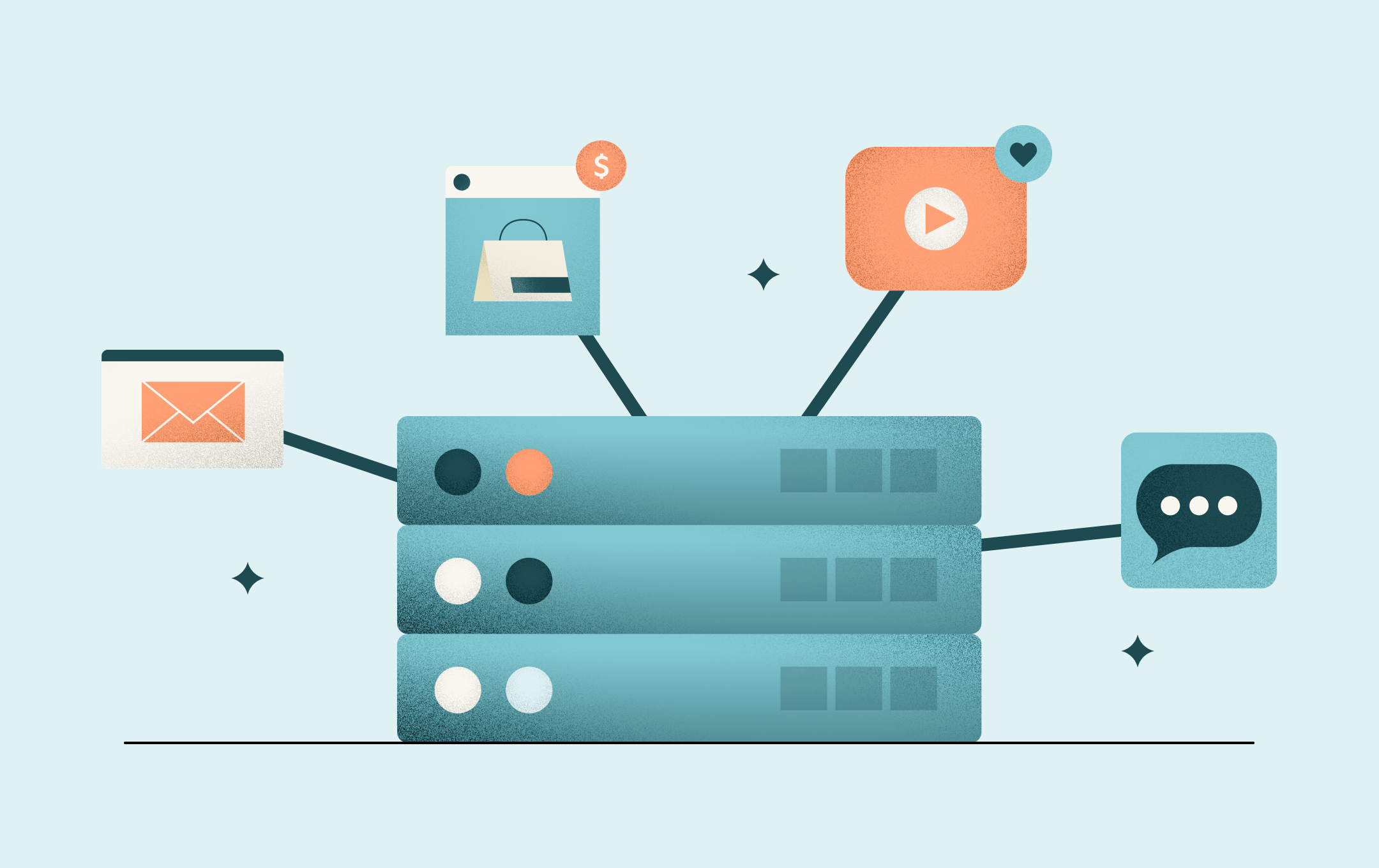
A Customer Data Platform acts as the central hub connecting these tools.
Typical marketing stack components include:
- Website analytics
- CRM software
- Email marketing platforms
- Social media management tools
- Advertising platforms
- Customer support software
- E-commerce platforms
- Marketing automation software
The CDP sits in the middle, collecting data from each system and distributing unified customer insights back to them.
This integration ensures every marketing channel works from the same accurate customer information.
Benefits of Integrating a CDP Into Your Marketing Stack
Improved Personalization
A CDP enables businesses to tailor messages based on customer interests, previous purchases, browsing activity, and engagement history.
Customers receive more relevant offers, improving satisfaction and loyalty.
Better Audience Segmentation
Instead of broad demographic groups, marketers can build highly specific audiences based on behaviors, preferences, purchase frequency, or engagement levels.
This leads to more effective campaigns.
Increased Marketing ROI
Accurate customer data reduces wasted advertising spend by ensuring campaigns target the right audience at the right time.
Personalized campaigns typically generate higher conversion rates than generic marketing.
Enhanced Customer Journey
A CDP helps create consistent experiences across every touchpoint.
For example, a customer who abandons a shopping cart can receive an email reminder, see personalized ads, and later receive product recommendations—all powered by the same unified customer profile.
Stronger Data Governance
Many CDPs include tools for managing customer consent, maintaining data quality, and supporting compliance with privacy regulations such as GDPR and CCPA.
This helps businesses handle customer data responsibly while building trust.
Industries That Benefit From Customer Data Platforms
Customer Data Platforms are valuable across many industries, including:
- Retail and e-commerce
- Financial services
- Healthcare
- Hospitality
- Travel
- Telecommunications
- Education
- Media and entertainment
- Software and SaaS companies
Any organization that interacts with customers across multiple channels can benefit from a unified view of customer data.
Choosing the Right Customer Data Platform
When selecting a CDP, businesses should evaluate several factors:
- Integration with existing marketing tools
- Scalability for future growth
- Data security and privacy features
- Ease of use
- Real-time data processing capabilities
- Advanced analytics and reporting
- Customer support and implementation services
Choosing a platform that aligns with your business goals and technology ecosystem will maximize its long-term value.
Conclusion
A Customer Data Platform is no longer just a luxury for large enterprises—it has become a critical component of modern marketing. By collecting data from multiple sources, creating unified customer profiles, and enabling personalized marketing across channels, a CDP empowers businesses to better understand and engage their customers.
As marketing becomes increasingly data-driven, integrating a Customer Data Platform into your marketing stack can improve campaign performance, strengthen customer relationships, and drive sustainable business growth. Whether your goal is to increase conversions, enhance customer experiences, or optimize marketing investments, a CDP provides the foundation for smarter, more effective marketing.

About Author
