White Label Social Media Agency: The Complete Guide
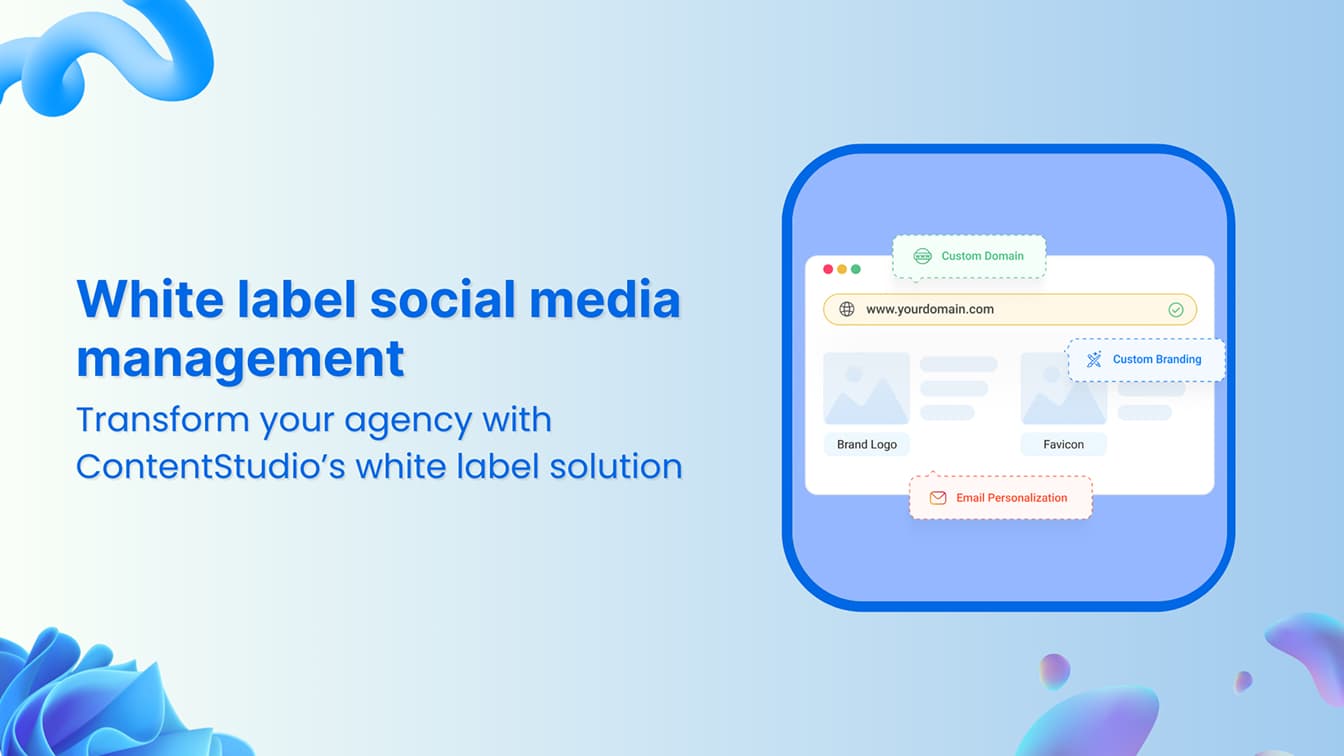
Social media has become one of the most important marketing channels for businesses of all sizes. Companies want a strong presence on platforms such as Instagram, Facebook, LinkedIn, TikTok and YouTube, but managing content, campaigns, analytics and client communication requires time and specialized skills. This is where a white label social media agency can provide a practical solution for marketing companies, freelancers and other service providers.
A white label model allows one business to outsource social media services to another specialist provider and then offer those services to its own clients under its own brand. The client sees the purchasing agency as the service provider, while the behind-the-scenes work may be completed by the white label partner.
What Is a White Label Social Media Agency?
A white label social media agency provides social media marketing services that another company can rebrand and resell.
For example, imagine a web design company that has several clients asking for Instagram management. Instead of hiring an entire social media team, the company can partner with a white label agency. The partner creates content calendars, designs posts, writes captions, schedules content and prepares reports.
The web design company can then deliver those services to its clients using its own branding.
This arrangement allows businesses to expand their service offerings without necessarily building every capability internally.
How Does White Label Social Media Marketing Work?
The process usually involves three parties: the end client, the reseller agency and the white label provider.
The reseller agency communicates with the client, understands their requirements and manages the overall relationship. The white label provider handles some or all of the production work according to the reseller’s instructions.
A typical workflow may look like this:
- The agency signs a client for social media services.
- The agency collects the client’s goals, brand information and content requirements.
- The information is passed to the white label partner.
- The partner develops content and marketing materials.
- The agency reviews the work and requests changes if necessary.
- Approved content is delivered or published.
- Performance reports are provided to the client under the reseller’s branding.
The exact workflow depends on the agreement between the two companies.
Services Offered by White Label Social Media Agencies
A good white label provider can offer a wide range of services. Common options include:
- Social media strategy
- Content calendar development
- Caption writing
- Graphic design
- Short-form video and Reels
- Community management
- Social media scheduling
- Hashtag research
- Paid social advertising
- Influencer campaign support
- Performance reporting
- Competitor research
- Social media profile optimization
Not every provider offers all of these services, so agencies should determine their requirements before selecting a partner.
Why Agencies Use White Label Social Media Services
One of the biggest advantages is scalability.
Suppose a marketing agency has five social media clients but suddenly signs 20 more. Hiring and training a large internal team can take considerable time. A white label partner can provide additional production capacity much faster.
Another advantage is access to specialized expertise. A provider may already have designers, copywriters, strategists, video editors and social media specialists working together.
This can allow an agency to offer a broader range of services without having to recruit specialists for every individual role.
Cost Efficiency
Building an internal social media department involves salaries, software subscriptions, equipment, training and management expenses. Outsourcing some of the work can reduce the need for those fixed costs.
However, white labeling is not automatically cheaper in every situation. Agencies should compare the provider’s fees with the actual cost of performing the work internally.
The goal should be to create a profitable and sustainable service model rather than simply choosing the lowest-cost provider.
White Label vs. Traditional Outsourcing
White label services and traditional outsourcing are related but not identical.
With ordinary outsourcing, the client may know that an external freelancer or agency is performing the work. With white labeling, the service is generally presented under the reseller’s brand.
This distinction can be particularly valuable for agencies that want to maintain a consistent client experience.
The white label partner therefore needs to understand the reseller’s brand voice, quality standards and communication procedures.
Choosing the Right White Label Partner
Selecting the right provider is one of the most important decisions in the process.
Start by evaluating the agency’s experience and portfolio. Look for examples that demonstrate strong visual design, engaging copy and platform-specific strategies.
You should also ask about turnaround times, revision policies, communication procedures and reporting.
Important questions include:
- What social platforms do you support?
- Who creates the content?
- How many revisions are included?
- How quickly can content be delivered?
- Do you provide custom branding?
- How is client information protected?
- Can services be customized?
- How are performance reports prepared?
- What happens if a client requests urgent changes?
Clear answers can prevent problems later.
Maintaining Quality Control
White labeling does not mean giving up responsibility for quality. The reseller agency remains responsible for the client relationship and should review important deliverables before they reach the customer.
Creating a standardized approval process can help.
For example, the agency can establish guidelines covering brand colors, fonts, tone of voice, preferred content formats, prohibited topics and approval procedures. These guidelines can then be shared with the white label provider.
Regular quality checks can help maintain consistency across multiple accounts.
Protecting Client Relationships
Client communication is another important consideration.
A white label partner may have access to sensitive information, social media accounts, marketing data or brand assets. Agencies should therefore establish clear agreements covering confidentiality, account access, data protection and ownership of creative materials.
Access should also be limited to what the provider actually needs to complete the work. Using appropriate account permissions and security practices can reduce unnecessary risks.
Pricing Your White Label Services
Agencies typically add a margin to the wholesale cost charged by the white label provider.
For example, if the provider charges $500 per month for a package, the reseller might sell a customized service package for a higher amount after considering account management, strategy, communication, revisions and other costs.
Pricing should reflect the total value delivered rather than simply adding an arbitrary percentage.
Factors to consider include:
- Number of platforms
- Number of posts
- Video requirements
- Community management
- Advertising management
- Reporting
- Strategy
- Client support
- Revision requirements
Common Mistakes to Avoid
One common mistake is choosing a provider based solely on price. Extremely low prices can sometimes come with limited customization, inconsistent quality or slow communication.
Another mistake is failing to define responsibilities. Both sides should know who communicates with the client, who handles revisions, who approves content and who manages publishing.
Agencies should also avoid promising services they cannot reliably deliver. A clear scope of work protects both the reseller and the client.
Benefits for Growing Agencies
White label social media services can be particularly useful for digital marketing agencies, SEO companies, web development firms, branding studios and freelancers.
Instead of turning away clients who need social media support, these businesses can add another service category to their offering.
Over time, this can create opportunities for cross-selling and recurring monthly revenue.
Conclusion
A white label social media agency can help businesses expand their service offerings without building a complete social media department from scratch. By outsourcing content creation, strategy, design, scheduling and other specialized tasks, agencies can focus more heavily on sales, client relationships and business growth.
However, successful white labeling depends on choosing a reliable partner, maintaining strong quality control and clearly defining responsibilities. The best partnerships are not simply about outsourcing work—they are about creating a seamless service experience for the end client.
With the right provider, clear processes and realistic pricing, white label social media marketing can become a scalable addition to an agency’s service portfolio.

About Author
