Beyond the Screen: Understanding the World of “Gamers”
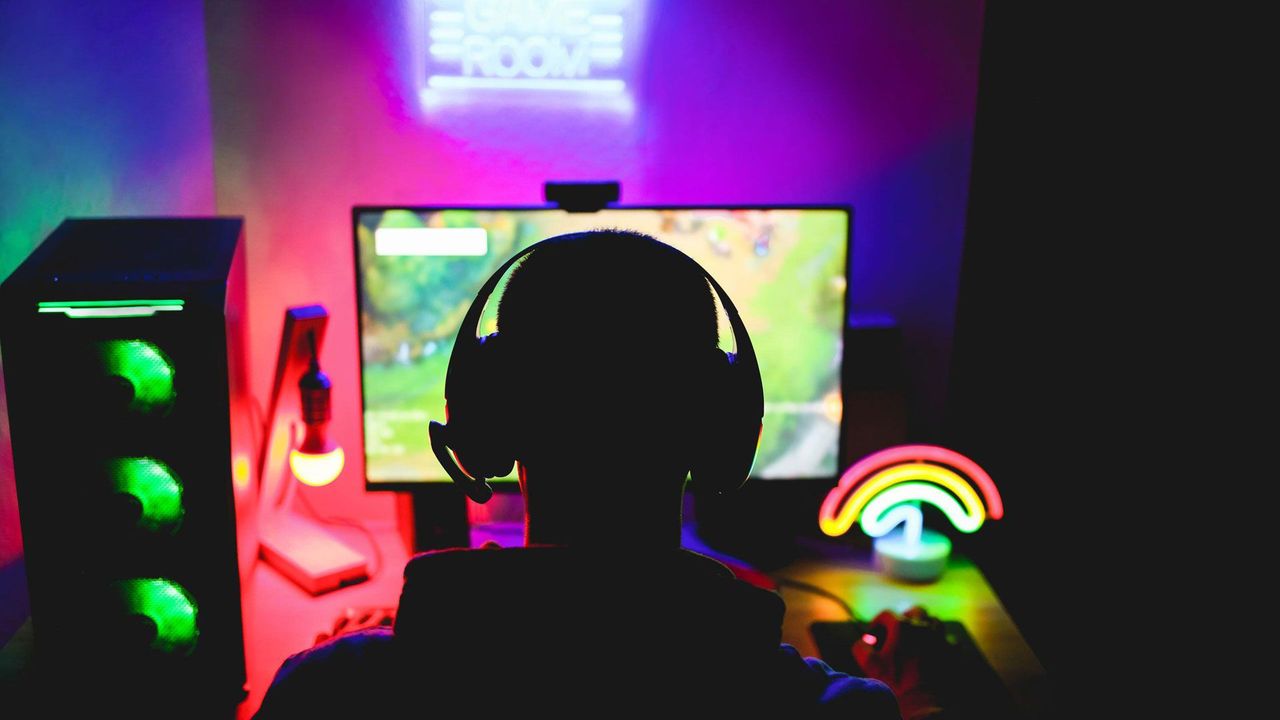
The word “gamer” has become incredibly common today. We often use it to describe anyone who spends time exploring the worlds of video games. But if you look beyond the simple label, you’ll discover that the term represents a wide range of people, communities, and even an entire culture.
Table of Contents
ToggleWhat Does “Gamer” Really Mean?
At its most basic level, a gamer is someone who enjoys playing games—particularly digital or video games. This could be a person carefully planning strategies in a complex role-playing adventure or someone who reacts instantly during a fast-paced action shooter.
The traditional definition is simple: a person who plays games, especially on digital platforms. Over time, however, the meaning of the word has evolved. In the past, “gamer” might have referred to someone competitive in sports or physical activities. Today, it is most strongly connected with the digital gaming world.
You’ll often hear people described as computer gamers, console gamers, or mobile gamers, depending on the device they prefer.
From Hobby to Career: The Rise of Professional Gamers
For some people, gaming goes far beyond entertainment. With the growth of esports, gaming has become a professional pursuit.
Professional players compete in organized tournaments, often training for many hours a day to sharpen their skills. Success in esports can bring sponsorships, prize money, and global recognition. What was once considered a casual pastime has transformed into a serious career path for a new generation of players.
In certain cases, the word “gamer” can even include individuals working within the gaming industry—such as streamers, content creators, and developers—though this usage is less common.
A Global Gaming Culture
Gaming is not just about individual players; it has created a vast cultural ecosystem. Around the world, communities have formed where fans share their passion for games, characters, and stories.
In Japan, for example, Gamers is a well-known specialty store chain operated by Broccoli. These stores go far beyond selling games. They serve as cultural hubs where fans can explore merchandise, collectibles, and entertainment related to gaming and anime.
Since the mid-1990s, the brand has played an important role in fan culture, particularly in districts like Akihabara, which is famous for its gaming and anime communities. Stores like these highlight how deeply gaming has become integrated into modern pop culture.
Gaming and Broader Pop Culture
The influence of gaming also extends into other cultural conversations. Discussions about character design, storytelling, and representation have become common among fans and media commentators.
For instance, certain characters from popular games are sometimes discussed as cultural icons or even “video game sex symbols.” These conversations show how gaming interacts with wider ideas about identity, creativity, and representation.
In other words, gaming isn’t just about entertainment—it reflects broader cultural trends and social perspectives.
More Than Just a Label
Ultimately, the word “gamer” represents far more than someone who plays video games. It can describe a casual hobbyist, a competitive esports athlete, a passionate community member, or even someone deeply involved in the gaming industry.
Behind this simple term lies a diverse and constantly evolving world filled with creativity, competition, and global connection.
So the next time you hear someone described as a gamer, remember that the label opens the door to an entire culture—one shaped by technology, storytelling, and millions of people who share a love for digital worlds.

About Author
