Viral Marketing vs. Community-Centric Strategies: Which Delivers Long-Term Success?
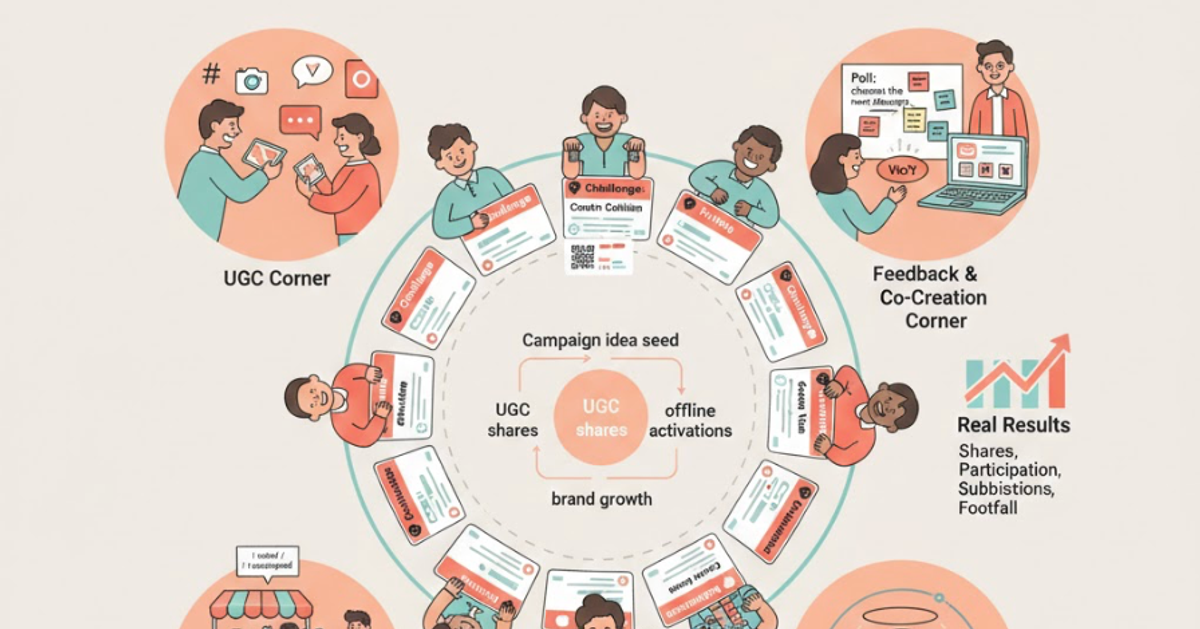
In today’s fast-paced digital marketing landscape, brands often debate between two powerful approaches: viral marketing and community-focused marketing. Both strategies aim to boost visibility and engagement, but they operate in very different ways.
Viral marketing is designed to spread content rapidly across social media platforms, reaching huge audiences in a short period of time. Community-centric marketing, on the other hand, focuses on nurturing meaningful relationships with a smaller but highly engaged audience.
For businesses competing in crowded online spaces, understanding how these strategies differ—and when to use each—can make a significant difference in long-term growth. Tools such as social media automation platforms like Jarvee can also help marketers expand outreach while maintaining active engagement within online communities.
What Is Viral Marketing?
Viral marketing revolves around creating content that spreads quickly through user networks. The goal is to produce something so entertaining, emotional, or surprising that people naturally want to share it.
Successful viral campaigns often rely on elements such as:
-
Humor or unexpected twists
-
Emotional storytelling
-
Trending memes or cultural moments
-
Influencer promotion
-
Highly shareable videos
When everything aligns—timing, creativity, and audience interest—a campaign can generate massive exposure in a matter of hours or days.
This rapid sharing can lead to several short-term benefits, including:
-
A sudden surge in brand awareness
-
Large spikes in website traffic
-
Rapid follower growth
-
Quick bursts of lead generation
In some cases, a single viral campaign can reach millions of viewers without requiring a large advertising budget.
The Downsides of Chasing Virality
While viral marketing can be powerful, it also comes with limitations.
One of the biggest challenges is unpredictability. Even campaigns with large budgets, experienced creative teams, and influencer support may fail to gain traction. Social media algorithms, timing, and audience mood all influence whether content spreads widely.
Another issue is that viral exposure doesn’t always translate into long-term customer loyalty. Many viewers engage with viral content briefly and then move on once the trend fades.
Common drawbacks include:
-
Short-lived engagement spikes
-
Difficulty turning views into paying customers
-
Reaching audiences outside the brand’s target market
-
Rapid loss of momentum after the trend ends
For brands focused on sustainable growth, relying only on viral hits can feel like trying to capture lightning in a bottle.
What Is Community-Centric Marketing?
Community-focused marketing takes a completely different approach. Instead of aiming for massive reach, it emphasizes building ongoing relationships with a dedicated group of followers.
The goal is to create environments where customers interact not only with the brand but also with each other. These communities often grow around shared interests, values, or experiences.
Rather than pushing promotions, community marketing focuses on conversations and engagement.
Examples of community-driven initiatives include:
-
Private Facebook or Discord groups
-
Brand-hosted forums or membership platforms
-
User-generated content campaigns
-
Loyalty or ambassador programs
-
Customer collaboration in product development
In this model, the strength of the brand comes from trust and engagement, not sheer scale.
Why Community Marketing Is Gaining Momentum
Over the last decade, consumer behavior has shifted. Many people are more skeptical of traditional advertising and prefer authentic interactions with brands.
Community-based strategies address this shift by giving customers a voice and a sense of belonging.
When customers feel valued and heard, they are more likely to:
-
Stay loyal to the brand
-
Recommend it to others
-
Share their experiences online
-
Provide feedback that improves products
Active communities also generate user-generated content, which can significantly boost organic reach and credibility.
Some major advantages of community-driven strategies include:
-
Greater trust and authenticity
-
Lower customer acquisition costs
-
Consistent engagement over time
-
Direct feedback from real users
-
Higher long-term customer value
Instead of focusing on quick bursts of attention, community-focused brands build ecosystems that support long-term growth.
Key Differences Between the Two Strategies
1. Reach vs. Relationships
Viral marketing prioritizes reaching as many people as possible. Community marketing focuses on nurturing relationships with a smaller but loyal audience.
2. Short-Term vs. Long-Term Impact
Viral campaigns often produce immediate results but fade quickly. Communities grow more slowly but can maintain engagement for years.
3. Passive Viewers vs. Active Participants
Viral audiences often watch or share content without deeper involvement. Community members actively participate in discussions, feedback, and content creation.
4. Campaign vs. Ecosystem
Viral marketing typically revolves around individual campaigns, while community strategies build ongoing ecosystems where interaction happens continuously.
When Viral Marketing Still Works Best
Despite its limitations, viral marketing still has an important role in modern digital strategies.
Some situations where it works particularly well include:
Product Launches
A viral campaign can generate excitement and awareness when introducing a new product.
Trend-Based Marketing
Brands that successfully tap into trending memes or cultural moments can benefit from rapid exposure.
Entering New Markets
Companies expanding into new regions sometimes use viral campaigns to quickly introduce their brand to large audiences.
However, even in these scenarios, viral marketing is most effective when supported by deeper engagement strategies.
Why Community-Centric Growth Is More Sustainable
Community-driven marketing aligns with how people interact online today. Many consumers look for connection, belonging, and shared experiences in digital spaces.
Strong communities provide opportunities for:
-
Shared learning and collaboration
-
Exclusive rewards or experiences
-
Customer influence over product development
-
Recognition for active members
When people feel like insiders within a brand community, they often become natural advocates who promote the brand organically.
The Role of Automation in Community Management
Managing multiple communities across different platforms can become challenging as audiences grow.
Automation tools help marketers stay organized while maintaining regular interaction. Platforms like Jarvee allow teams to schedule content, monitor engagement, and manage communication across multiple social networks more efficiently.
Automation doesn’t replace genuine human interaction, but it helps ensure consistent communication and visibility within active communities.
Combining Both Strategies for Better Results
The most effective marketing strategies today combine elements of both viral marketing and community building.
A balanced approach might look like this:
-
Viral content attracts attention and introduces the brand to new audiences.
-
Communities convert attention into loyalty by engaging those new followers.
-
Community members amplify future campaigns, sharing content and spreading brand advocacy.
This cycle creates a strong growth engine where viral moments generate awareness while communities sustain long-term engagement.
Practical Tips for Building a Community Strategy
Brands looking to prioritize community engagement can start with a few key steps:
Create dedicated spaces
Develop forums, private groups, or membership communities where users can interact regularly.
Encourage user-generated content
Invite members to share stories, experiences, and feedback.
Reward active members
Recognize contributors with shoutouts, badges, or exclusive access.
Listen to feedback
Use community insights to improve products and services.
Stay consistent
Regular interaction and fresh discussions keep communities active and engaged.
Final Thoughts
In a digital environment where attention is increasingly fragmented, simply going viral is rarely enough to sustain long-term success.
Viral campaigns can generate powerful bursts of visibility, but strong communities build loyalty, advocacy, and lasting brand value.
By blending creative viral content with genuine community engagement—and supporting these efforts with smart automation—brands can turn short-term attention into long-term growth.

About Author
